Skip to estimate form
Residential concrete

Cape Coral Concrete Patios

Reclaim the backyard for sunset hours along the canal with the boat tied off at the dock. We knit the loose Cape Coral sand into a subgrade that holds the slab true over a water table sitting inches down, carry fiber and welded wire mesh through the mix so brackish-canal air finds no steel to chew on, and fall the pour so the daily Gulf squalls sheet straight off.

Fully Insured 500+ projects completed
See the work

Before & after

Drag the handle to reveal the finished pour.

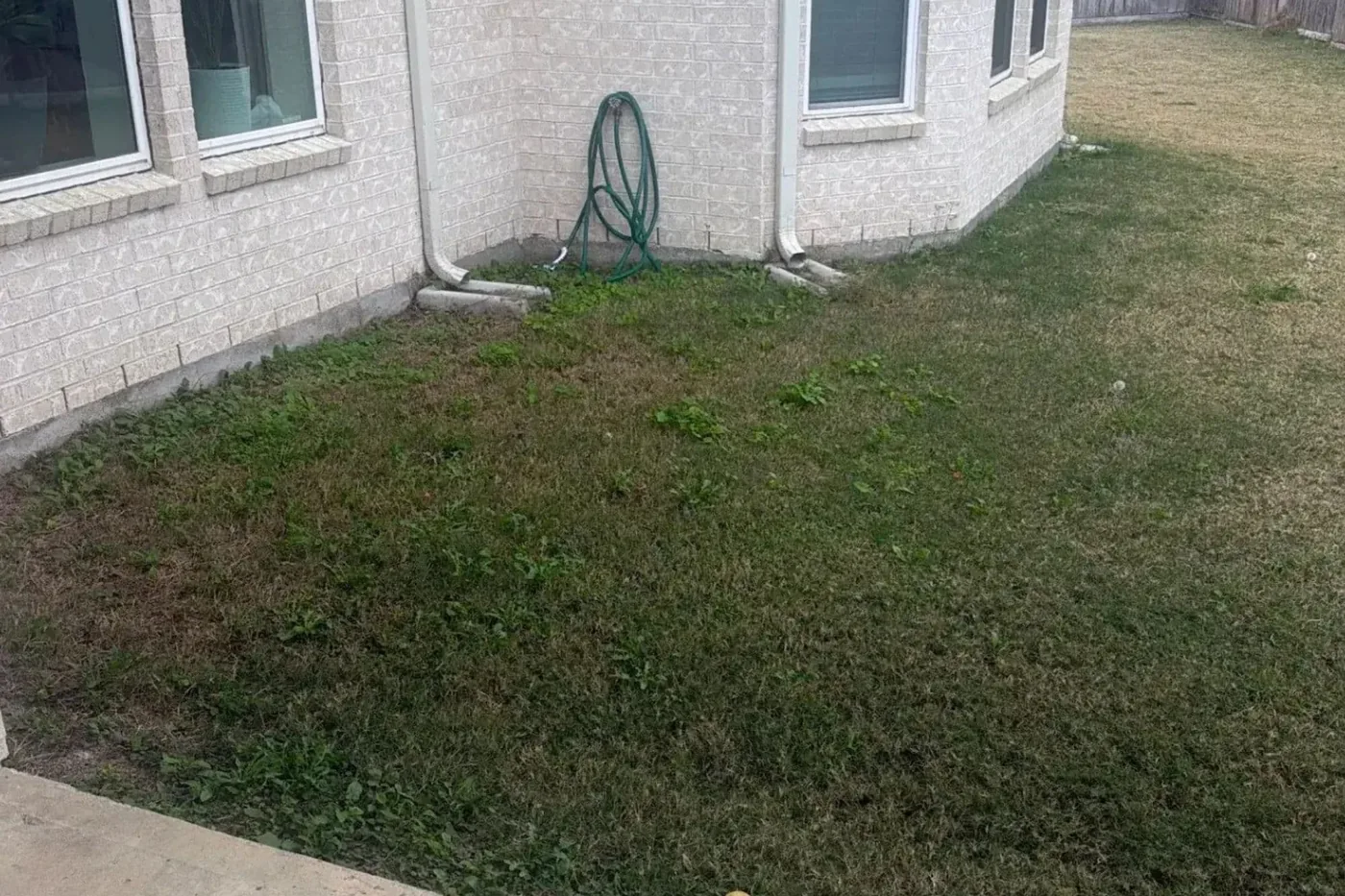
Backyard along the house before a concrete patio was poured
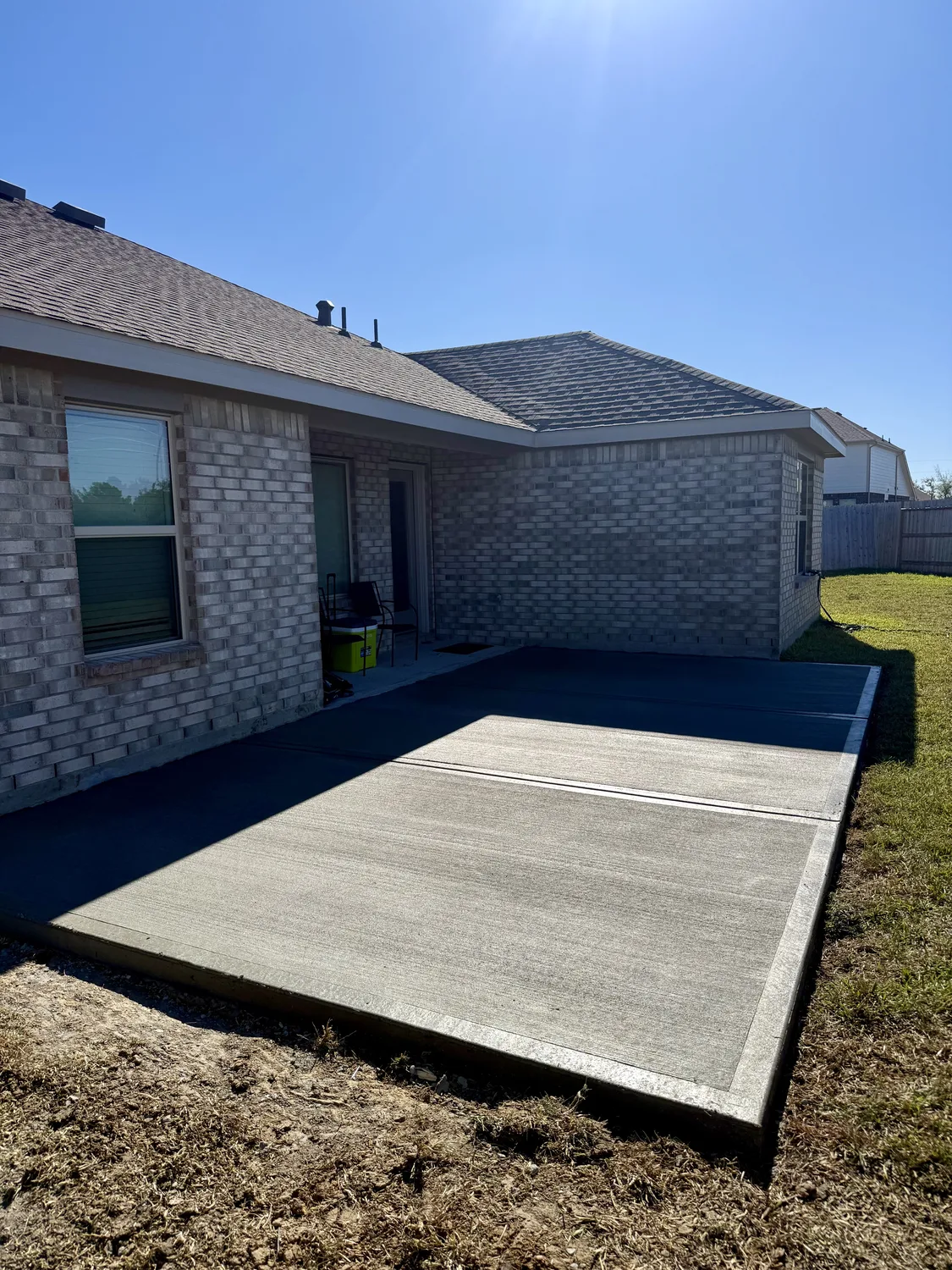
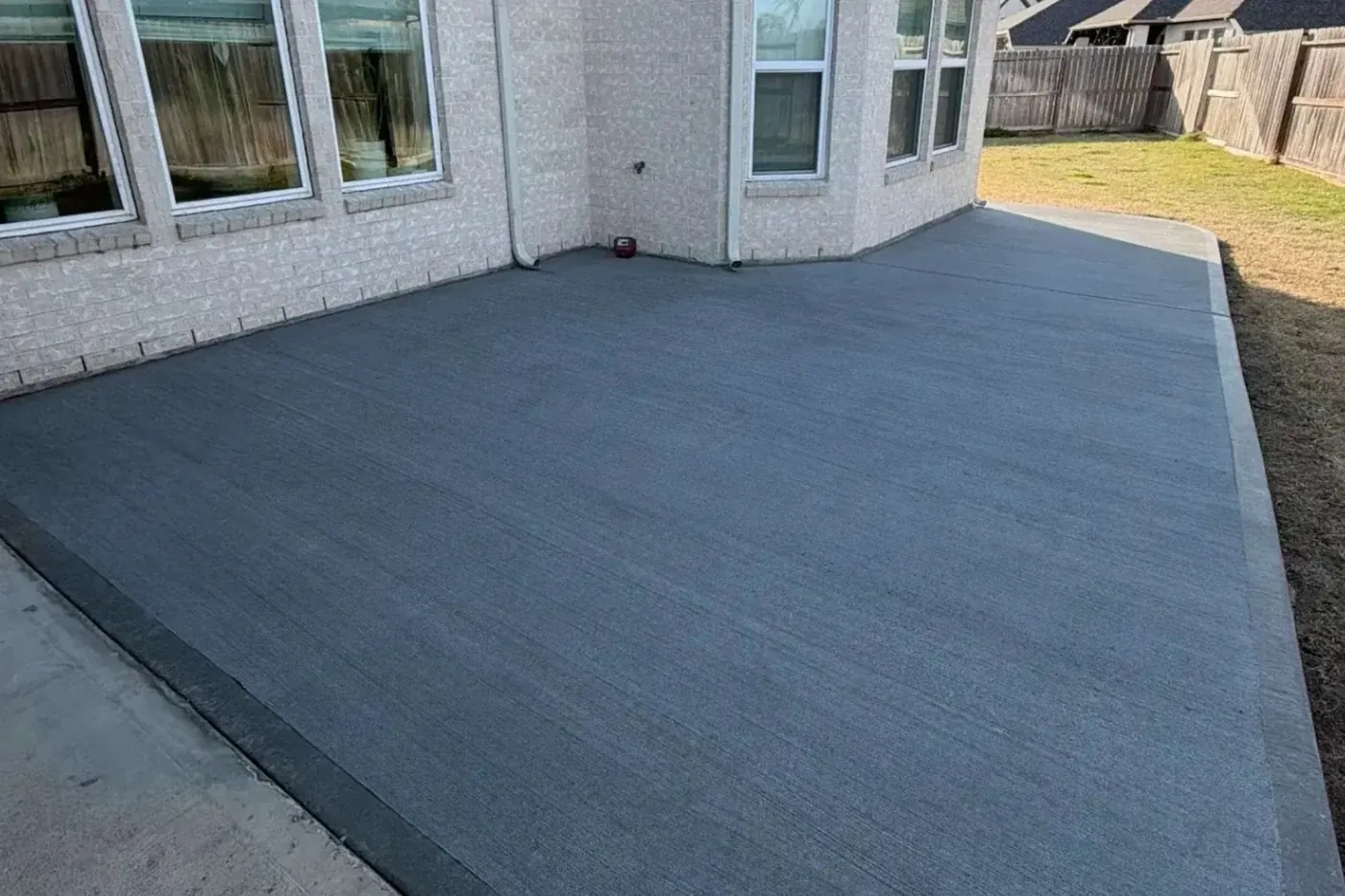
Finished broom-finish residential concrete patio by Lucky's Concrete
BEFOREAFTER
What's included

Concrete Patios we pour

How we build it right

The process behind concrete patios built to last

Credibility comes from how it's built, not from promises. Here's the order of operations on every concrete patios job.

01

Reading the sand and the water table

Cape Coral was platted low across drained wetland, and on a canal lot the brackish water table can sit a foot or two under the grass, so the first move is to map where it pools, then strip the loose fill and roll a subgrade dense enough to keep the slab from sinking unevenly into that wet sand.

02

Fiber and welded wire mesh

With salt riding in off the canals, the reinforcement that earns its keep is structural fiber dosed into the wet mix and welded wire mesh threaded through the slab; together they bind the pour without sinking a steel grid that brackish air would slowly eat. A full rebar mat is saved for structural slabs and seawall caps, never an ordinary backyard patio.

03

Pitch so the storms run off

We fall the slab so each afternoon Gulf cell and tropical band drains toward the canal bank and away from the foundation, because in a flood-zone city wrapped in 400 miles of waterway it is the rain that ponds and lingers, not anything in the mix, that loosens a pour from below.

04

Joints placed on a plan

We tool the control joints along the lines where this wet, sand-borne slab will most want to release, so a hairline tracks that seam instead of striking out across the finish on its own.

05

Curing through the humidity

Heavy, salt-damp Gulf air changes how quickly fresh concrete lets go of its water, so we pace the cure to the Cape Coral coast rather than let the surface harden ahead of the slab beneath it, then close it off with a sealer.

Why Lucky's

The one you don't have to worry about

01

We answer, and we come back

Most contractors vanish after the deposit. We pick up the phone, show up when we say, and stand behind the work after the truck leaves. The follow-through is the difference.

02

Managed crews, our name on it

A foreman we know runs your job and a vetted crew does the work, managed by Lucky's, one company accountable from the first call to the final walkthrough.

03

Fully insured, paperwork-ready

COI and lien waivers on file before we break ground. The documentation that lets commercial clients pay and gives homeowners peace of mind.

04

Built right, not cheap

Prepped subgrade, reinforced and mixed to spec for the job, and proper curing. We build credibility through the process, not promises. On concrete patios, that starts with reading the sand and the water table.

Proof

A job we'd put our name on

Every patio, the same approach by Lucky’s Concrete in Cape Coral
Built for canal-side ground

Every patio, the same approach

Loose canal-lot sand rolled into a subgrade set for a high brackish water table, fiber and welded wire mesh carried through the pour against the salt, a fall that throws storm rain toward the bank and off the foundation, joints tooled along planned lines, and a cure paced to the humidity before the seal goes on. That run holds from one seawall-side yard to the next.

FAQ

Cape Coral concrete patios, answered

How much does a concrete patio cost in Cape Coral?

A patio here carries line items the national average ignores, and nearly all of them come from the water: rolling loose canal-lot sand into a subgrade that holds over a high brackish table, falling the slab hard enough to clear the daily Gulf squalls, and the extra care a seawall-side, salt-air site demands. For an honest starting point, a broom-finish patio tends to fall between $8 and $14 per square foot and stamped or decorative work between $14 and $22, both ahead of base prep. Where yours settles turns on square footage, the finish you choose, and how much the soil and drainage ask for. We quote only after standing on the lot, never a figure over the phone we'd have to walk back.

How thick should a patio slab be?

Most backyard patios go down as a 4-inch pour, which takes foot traffic, a table, and a few chairs in stride; wherever something concentrated lands, a hot tub or an outdoor kitchen, we deepen the slab under it to suit the weight.

Is my patio reinforced with rebar or something else?

A backyard patio gets structural fiber dosed into the concrete and welded wire mesh laid through the slab, which is the right build on our no-freeze sand with brackish canals at the property line and salt hanging in the air. A full steel rebar mat belongs to structural or heavy-load slabs and seawall caps, not a patio; sinking one where it isn't needed just hands the brackish air more metal to rust.

Will Cape Coral's sandy ground crack my patio?

When a slab shifts on these canal lots, the cause is nearly always under it. Loose sand and a brackish table inches down can cradle a pour unevenly, all the more right beside a seawall, so we settle it at the base: strip the fill, roll a subgrade that drains, carry fiber and mesh through the concrete, and tool joints that pen any movement to a chosen line. No honest crew swears a slab will never move; what we govern is where.

Should I worry about flooding or storms with a patio?

Water is the whole design problem in Cape Coral, and Ian's 2022 surge spelled that out for anyone who doubted it. We grade the slab and the ground around it so squall lines and tropical rain run for the canal instead of pooling against the house, and we build the base knowing the table is shallow and the waterway is a few feet off. The patio that sits in standing water is the first one to go.

Broom finish or stamped, which suits me?

Broom is the everyday pick: textured, sure underfoot when the dock is dripping, and lighter on the budget. Stamped buys the stone or slate look but lives on a resealing cycle, and our hard Gulf sun plus the salt off the canals pulls that cycle in sooner. We lay both out against how you actually mean to live on the space.
Free, no-pressure estimate

Tell us what you need poured.

You'll hear back from a real person, usually the same day. No call center, no runaround, no chasing us down.

  • Free & no-obligation
  • Same-day reply
  • Financing available

Booking up fast this season. Or call (239) 291-7211

Takes about a minute.

Free estimate · Serving Cape Coral, FL & the surrounding area

Fully Insured · Managed crews · 500+ projects completed. We'll never sell your info.

Call Free Estimate